Power Engines
Analysis of ideal and real power cycles: gas turbines, internal combustion engines, and Rankine steam cycles.
Chapter 1 · Introduction
Thermodynamics is the science of energy — how it is stored, transferred, and transformed. In engineering, it provides the framework to analyze engines, power plants, chemical processes, and even biological systems.
Thermodynamics is a branch of physical science that deals with the relationships and conversions between energy and matter. Fundamentally, it is the science of energy, where energy is defined as the capacity to cause change or perform work.

The term thermodynamics originates from the Greek words therme (heat) and dynamis (power), reflecting the historical context in which the field was developed — primarily from early efforts to convert heat into mechanical power, such as in steam engines.
Thermodynamics is governed by several fundamental laws that describe how energy is conserved, transferred, and degraded in physical processes. These principles apply broadly, from engines and power plants to chemical reactions and biological systems.
Analysis of ideal and real power cycles: gas turbines, internal combustion engines, and Rankine steam cycles.
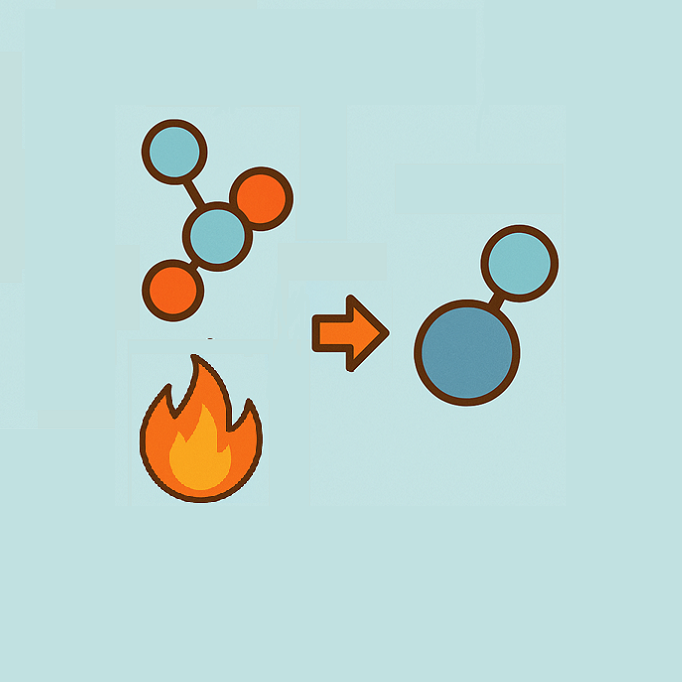
Enthalpy, entropy, and Gibbs free energy govern reaction spontaneity, equilibrium, and energy release.

Energy balances apply to metabolism, heat exchange in organisms, and transport in biological flows.